
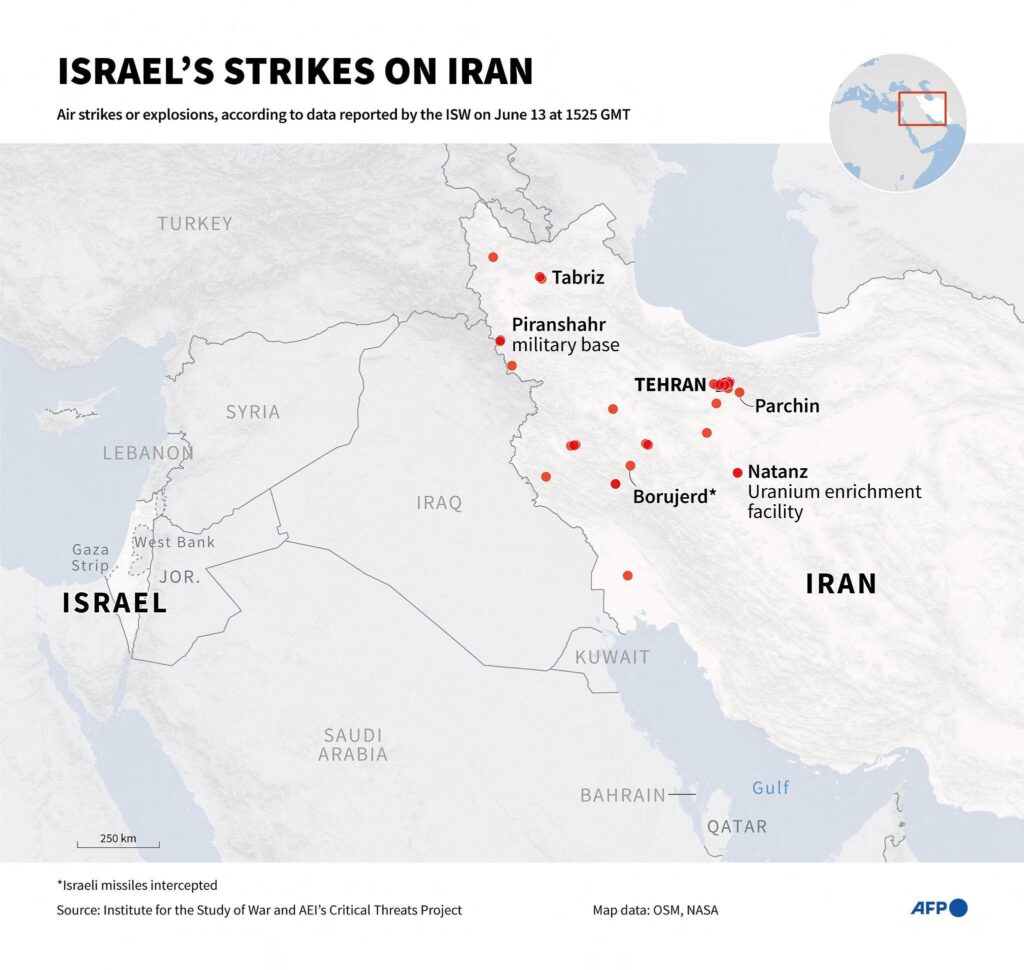
The Iran Israel War 2026 has become one of the most significant geopolitical conflicts in recent years, drawing global attention to rising tensions in the Middle East. The conflict highlights long-standing political, military, and strategic rivalries between Iran and Israel. Understanding the causes, escalation, and real-world effects of the Iran Israel War 2026 is essential to analyze its impact on regional stability, global security, and international relations.
Original Analysis for Readers Who Want Clear Facts
Hi everyone, the news from the Middle East has been intense lately. On February 28, 2026, Israel and the United States launched surprise airstrikes across Iran. What followed is now called the 2026 Iran War – a direct conflict that’s already in its second week. Over 1,300 civilians in Iran have died, missiles are flying toward Israel, and oil prices are climbing fast around the world.
This is not just another headline. It touches energy costs, global trade, and stability for millions. In this original blog post, I’ll explain the reasons behind the war in simple words and break down its effects on Iran, the region, and everyday people like us. No copied content – just clear, human-written insights based on current events.
Iran- Israel War 2026- Historical Background : Why Iran and Israel Have Been Enemies for Decades
The roots go back to 1979. That’s when Iran’s Islamic Revolution happened, and the new government saw Israel and the United States as big threats. Iran began supporting groups like Hezbollah in Lebanon and later Hamas in Gaza. These groups often attack Israel, and Iran supplies them with weapons and money.
Israel, on the other hand, views Iran’s growing power as an existential danger. For years, the two countries fought a “shadow war” – secret operations, cyberattacks, and strikes in Syria. Things got hotter in 2024 when Iran launched its first direct missile attack on Israel, and again in a short 12-day war in 2025. By early 2026, Iran’s allies were weaker after losses in Gaza, Lebanon, and Syria. Israel and the US saw a chance to act.
Main Reasons Behind the Iran Israel War 2026: Nuclear Fears and Broken Talks
Three big reasons pushed this conflict from cold tension to open war.
1. Iran Israel War 2026 and Iran’s Nuclear Program
Iran has been enriching uranium to levels close to what’s needed for nuclear weapons. Talks to revive the old 2015 nuclear deal completely failed in 2025-2026. Israel and the US worried that Iran was just months away from a bomb. They decided military action was the only way to stop it permanently.
2. Iran Israel War 2026 and the Axis of Resistance
Iran backs Hezbollah, Hamas, and other groups that fire rockets at Israel. After Hamas’s attack on October 7, 2023, and the weakening of these allies, Israel wanted to cut off Iran’s ability to threaten it from afar.
3. The Perfect Storm of 2026
Iran was already dealing with big protests at home and rebuilding its missile stocks after the 2025 war. The US and Israel calculated they had the military edge. The strikes began with the goal of destroying nuclear sites, missile factories, and top leaders – including the assassination of Supreme Leader Ali Khamenei on day one.
In short, Israel and the US struck first because they believed waiting would make Iran too strong and too dangerous.
How the Iran Israel War 2026 Escalated So Quickly
The first strikes on February 28 hit Tehran, Isfahan, and other cities hard. Iranian air defenses were overwhelmed. Iran hit back immediately with waves of ballistic missiles and drones aimed at Israel and US bases in the Gulf.
Hezbollah in Lebanon joined in, firing rockets to pull Israeli troops north. Iran also targeted oil facilities and threatened to block the Strait of Hormuz – the narrow sea lane through which 20% of the world’s oil travels. By March 11 (today as I write), both sides are still trading blows: Israel bombing Iranian oil refineries, Iran launching more missiles, and smoke rising over cities on both sides.
Immediate Effects Inside Iran: Death, Destruction, and Daily Hardship
Iran is paying the heaviest price right now. Iranian officials report more than 1,300 civilians killed and nearly 10,000 sites damaged – homes, airports, and hospitals included. Power blackouts that already plagued the country are now worse because Israel struck oil refineries and storage facilities.
People in Tehran wake up to thick black smoke in the sky. Fuel shortages are growing, and the economy – already hurt by years of sanctions – is taking another huge blow. Ordinary Iranians are struggling with higher food prices and fear of more attacks.
Regional Effects: The Fire Is Spreading
The war didn’t stay inside Iran’s borders. Hezbollah has restarted heavy rocket attacks on northern Israel. Israel is striking back in Lebanon and even parts of Syria.
Gulf countries like Saudi Arabia, the UAE, and Bahrain have faced Iranian drone and missile attacks because they host US bases. Shipping in the Strait of Hormuz has almost stopped – hundreds of oil tankers are stuck or rerouting. This affects not just the Middle East but anyone who drives a car or heats their home.
Global Effects: Higher Prices at the Pump and Worries Worldwide
This war is hitting your wallet even if you live thousands of kilometers away.
- Oil and gas prices have jumped sharply. Experts say prices could reach $100 a barrel if the Strait stays blocked longer. In many countries, petrol and diesel are already more expensive, and winter heating bills are rising.
- Inflation fears are back. Stock markets dipped as investors worry about supply chains.
- Trade disruption means higher costs for everything shipped through the region – from electronics to food.
- Countries like China (Iran’s big oil buyer) and Europe are watching nervously. Even India is feeling the pressure on energy imports.
In simple terms: one missile in the Middle East can mean more expensive groceries for families everywhere.
What Could Happen Next?
No one knows exactly how this ends. Some hope for quick talks and a ceasefire. Others fear a longer war or even regime change in Iran. The new supreme leader, Mojtaba Khamenei, has promised to fight back. The US and Israel say their goal is to destroy Iran’s nuclear and missile threat for good.
One thing is clear: the longer it goes on, the more ordinary people – Israelis, Iranians, Lebanese, and global consumers – will suffer.
Final Thoughts: Peace Is Possible, But Hard Work Is Needed
The 2026 Iran-Israel War started because of deep fears and failed diplomacy. Its effects are already painful: lost lives, burning oil fields, and rising costs worldwide. As someone writing from outside the conflict zone, I hope leaders on all sides choose de-escalation soon. History shows that wars in the Middle East rarely stay small.
What do you think – will this lead to bigger changes in the region? Share your thoughts in the comments. Stay safe, stay informed, and remember: behind every headline are real families hoping for peace.